 ultimate-guide
Sydney Eastern Suburbs Property Market: 2026 Guide
Table of Contents
- Median House and Unit Prices Across the Eastern Suburbs
- Market Growth, Decline Trends, and Current Phase
- Suburban Performance Comparisons and Investment Demand
- How to Choose a Buyer's Advocate for the Eastern Suburbs
- National Property Buyers vs Local Specialists
- Due Diligence Checklist for Property Buyers
- Factors Influencing Property Value Drops and Market Softness
- Conclusion
- Frequently Asked Questions
Last Updated: September 16, 2026
Median House and Unit Prices Across the Eastern Suburbs
The eastern suburbs property market remains one of the most expensive in the country, but the gap between its trophy streets and its entry points is wider than most buyers expect. This guide from Thomson. Buyers Agency breaks down what is actually happening across the region in 2026, where values are holding, where they are softening, and how to buy well in either condition.
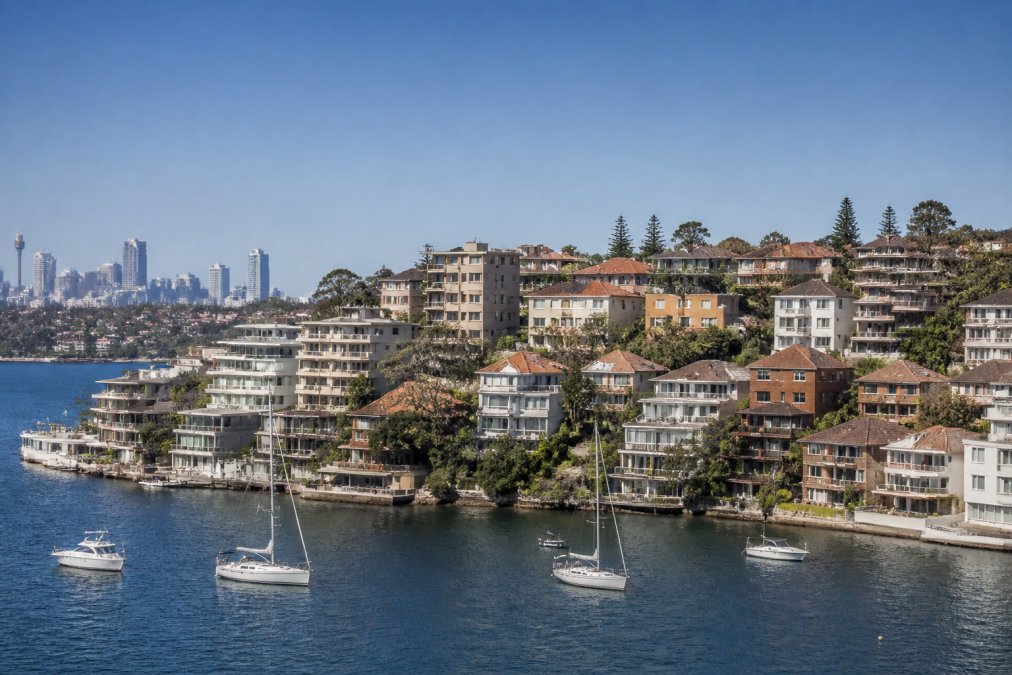
The Three Price Tiers Buyers Actually Face
Prestige and beachside houses. The headline suburbs closest to the water and the harbour foreshore sit in the top tier, where freestanding homes with land routinely transact in the high single-digit millions. These pockets behave almost as a separate market, and buyers relocating from overseas frequently anchor their expectations here.
Why the House-to-Unit Gap Keeps Widening
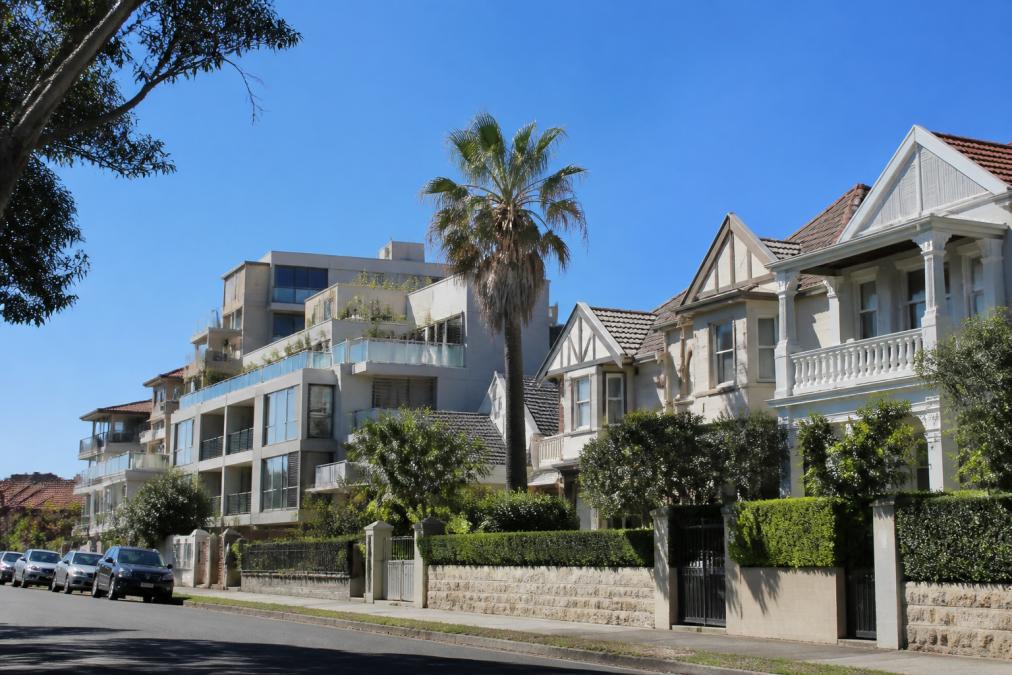
The divergence between house and unit medians is not a quirk, it reflects a structural constraint. The eastern suburbs are largely built out. There is very little undeveloped land, heritage controls limit demolition and subdivision in many streets, and new supply arrives mostly as apartment stock rather than new houses. Scarcity of land therefore supports house values, while a steady pipeline of apartment completions keeps a lid on unit price growth in the same postcodes.
The Long-Term Trajectory, Not Just the Last 12 Months
Most market commentary focuses on six-to-twelve-month volatility. A more useful lens is the five-to-ten-year trajectory. Over that horizon, the eastern suburbs have historically delivered strong capital growth driven by land scarcity, proximity to the CBD and the harbour, and persistent lifestyle demand, but that growth has not been linear. There have been clear soft patches, particularly in unit-heavy pockets during periods of elevated apartment supply and tighter lending conditions.
Prestige and Beachside Suburb Price Points
Prestige and beachside pockets operate almost as a separate market. A home two streets from the sand can command a materially higher price than a comparable property further inland, and buyers from overseas frequently anchor their expectations to these headline suburbs. The practical takeaway: median figures for the region tell you very little about any individual street. Always compare like with like, on land size, orientation and renovation status, before you form a view on value.
Market Growth, Decline Trends, and Current Phase
The eastern suburbs property market is in a selective phase rather than a broad boom or bust. Well-presented homes in tightly held streets still draw multiple buyers, while compromised properties, main-road positions and oversupplied unit blocks sit on the market longer and often sell below expectation.
What Actually Drives the Split
Four forces are doing most of the work in the current phase:
- Borrowing capacity. Interest rate settings flow straight through to how much a buyer can bid. When capacity tightens, the top of the market feels it first, because the pool of buyers able to transact at that level shrinks fastest.
- Supply composition. New apartment completions add choice in unit-heavy pockets, which gives buyers negotiating room. Houses, by contrast, are in near-fixed supply, so competition returns quickly whenever a good one lists.
- Asset-specific flaws. Noise, poor orientation, awkward layouts, main-road frontage and heritage constraints all suppress value independently of the wider market. These are identifiable before you buy.
- Buyer sentiment. Sentiment moves faster than fundamentals. A run of soft auction results can chill demand for a quarter even when underlying demand for the area is unchanged.
Infrastructure and Lifestyle: The Driver Most Analysis Misses
Price data tells you what happened. It rarely tells you why. In the eastern suburbs, a meaningful share of long-run value is tied to infrastructure and lifestyle factors that do not show up in a median:
- Transport access. Light rail and improved bus corridors have shortened commute times from parts of the region, and properties within easy walking distance of a stop tend to hold value better in soft markets.
- School catchments. Being inside a sought-after catchment can add a premium that is invisible in suburb-level medians and can shift when boundaries are redrawn.
- Coastal and harbour amenity. Walkability to beaches, bays and foreshore reserves is a durable value driver because it cannot be replicated by new supply.
- Local amenity upgrades. New parks, upgraded shopping strips and improved pedestrian links tend to lift buyer interest in the immediate walkable area before any broader suburb trend appears in the data.
Auction Clearance Rates and Listing Volume
Auction clearance rates are the fastest read on buyer demand, and listing volume tells you how much choice buyers actually have. When listing volume rises and clearance rates ease, negotiating power shifts toward buyers. When volume stays tight, competition returns quickly. Watch both together, because either one alone is misleading.
Where This Phase Sits in the Cycle
Zoom out and the current softness looks less dramatic. Over a five-to-ten-year view, the region has absorbed previous downturns and recovered, supported by land scarcity and persistent lifestyle demand. That does not mean every property recovers equally, unit-heavy pockets with ongoing supply can lag for years, but it does mean that treating a soft quarter as a permanent repricing is usually a mistake.
Suburban Performance Comparisons and Investment Demand
Suburb performance across the eastern suburbs is uneven, and it rewards buyers who look past the famous names. Rental yield tends to be stronger in unit-heavy pockets and weaker in prestige house markets, where capital growth has historically done the heavy lifting. Investors chasing yield and investors chasing capital growth are effectively shopping in two different markets.
How to Choose a Buyer's Advocate for the Eastern Suburbs
Choosing a buyer's advocate is the process of appointing an independent professional to search, appraise, negotiate and manage due diligence on your behalf, paid by you rather than by a seller. The right advocate should be able to demonstrate recent transactions in the specific suburbs you are targeting, not just the wider city.
Ask these questions before you engage anyone:
- Which eastern suburbs properties have you bought in the last 12 months?
- How are you paid, and do you accept any fee from a seller or developer?
- Who runs the inspections and negotiations, and will I deal with them directly?
- What happens if I don't proceed with a property you recommend?
National Property Buyers vs Local Specialists
National property buyers versus local specialists is a real trade-off, not a marketing slogan. Large national firms bring process, scale and coverage across multiple cities. Local specialists bring street-level knowledge: which side of a road floods, which block has a development application pending, which agent consistently underquotes.
| Factor | National Buyers | Local Specialists |
|---|---|---|
| Coverage | Multiple cities | One region, deeply |
| Street-level knowledge | General | Specific |
| Off-market access | Broad but shallow | Deep in target suburbs |
| Best for | Relocating across states | Buying in one tight market |
Due Diligence Checklist for Property Buyers
A due diligence checklist for property buyers is the sequence of checks completed before you exchange contracts, covering the building, the title, the strata records and the local planning environment. Skipping any step in a market this expensive is how buyers inherit problems they cannot fix.
- Building and pest inspection completed by a qualified inspector
- Strata report reviewed for levies, defects and special levies
- Title search and contract review by your solicitor or conveyancer
- Planning certificate obtained from the local council
- Flood, bushfire and heritage overlays checked
- Recent comparable sales verified independently
- Finance pre-approval confirmed in writing
Factors Influencing Property Value Drops and Market Softness
Market softness in the eastern suburbs rarely hits every property equally. The factors that pull a valuation down are usually specific and identifiable before you buy, which is precisely why thorough due diligence pays for itself.
The main drivers of a valuation drop include:
- Rising housing supply in the immediate area, particularly new apartment completions
- Higher interest rates reducing borrowing capacity
- A property's own flaws, such as noise, poor orientation or awkward layout
- Broader economic indicators affecting buyer demand and market sentiment
Conclusion
Reading the sydney eastern suburbs property market correctly means separating headline noise from the specific street, property and phase you are actually buying into. Thomson. Buyers Agency gives buyers a Trusted Buying Advantage through independent representation, strategic advice, meticulous due diligence and expert negotiation, with full ownership of the process from first appraisal to final signature. If you are buying locally or from overseas, get started with Thomson.
Frequently Asked Questions
Which suburbs in the Eastern Suburbs are undervalued in 2026?
Suburbs further from the beach, such as Randwick and Kensington, often offer lower entry prices than Bondi or Coogee. These areas benefit from strong infrastructure and proximity to universities and hospitals. Buyers should review recent sales data and auction clearance rates to identify pockets where price growth has lagged the broader market.
How do I choose a buyer's advocate for the Eastern Suburbs?
Look for an advocate with a proven track record in the specific suburbs you are targeting. Ask for recent case studies and verify their independence from developers. A local specialist will know which streets flood, which buildings have defects, and which off-market opportunities are worth pursuing.
What should be on a due diligence checklist for property buyers?
Your checklist should cover building and pest inspections, strata report reviews, title searches, council zoning checks, and flood or bushfire overlays. Also verify recent comparable sales, rental yield estimates, and any planned infrastructure that could affect value. A buyer's advocate can manage this process and flag issues before you exchange contracts.
Is now a good time to invest in the Eastern Suburbs property market?
The market is in a phase of moderate growth with some softness in premium segments. Rental yields remain tight, but long-term capital growth has historically been strong. First-home buyers and investors should focus on properties with unique land value or renovation potential rather than chasing short-term gains.