 how-to
Calculate Stamp Duty for First Home Buyers
Table of Contents
- What Is Stamp Duty and Why It Matters for First Home Buyers
- How to Calculate Stamp Duty Step by Step
- Stamp Duty Exemptions for First Home Buyers
- First Home Buyers Assistance Scheme NSW
- Using a Stamp Duty Calculator NSW
- Factors That Affect Your Stamp Duty Calculation
- Common Mistakes to Avoid When Calculating Stamp Duty
- Frequently Asked Questions
Last Updated: September 23, 2026
What Is Stamp Duty and Why It Matters for First Home Buyers
Stamp duty is a tax you pay when you buy property. It's based on the property's purchase price and varies by state. For first home buyers, understanding stamp duty first home buyers is crucial because it affects your total spending and budget planning.
Stamp duty isn't optional. It's a legal requirement that must be paid before settlement completes. The amount can be substantial. On a property worth $600,000, stamp duty might cost $20,000 to $30,000 depending on your state and whether you qualify for exemptions.
Many first home buyers overlook stamp duty until late in the purchasing process. By then, they've already committed to a price. Planning ahead prevents this surprise.
The good news: first home buyers often qualify for exemptions or concessions that reduce or eliminate this tax entirely. Some states offer full exemptions. Others provide partial relief. Understanding your eligibility is the first step to saving thousands.
How to Calculate Stamp Duty Step by Step
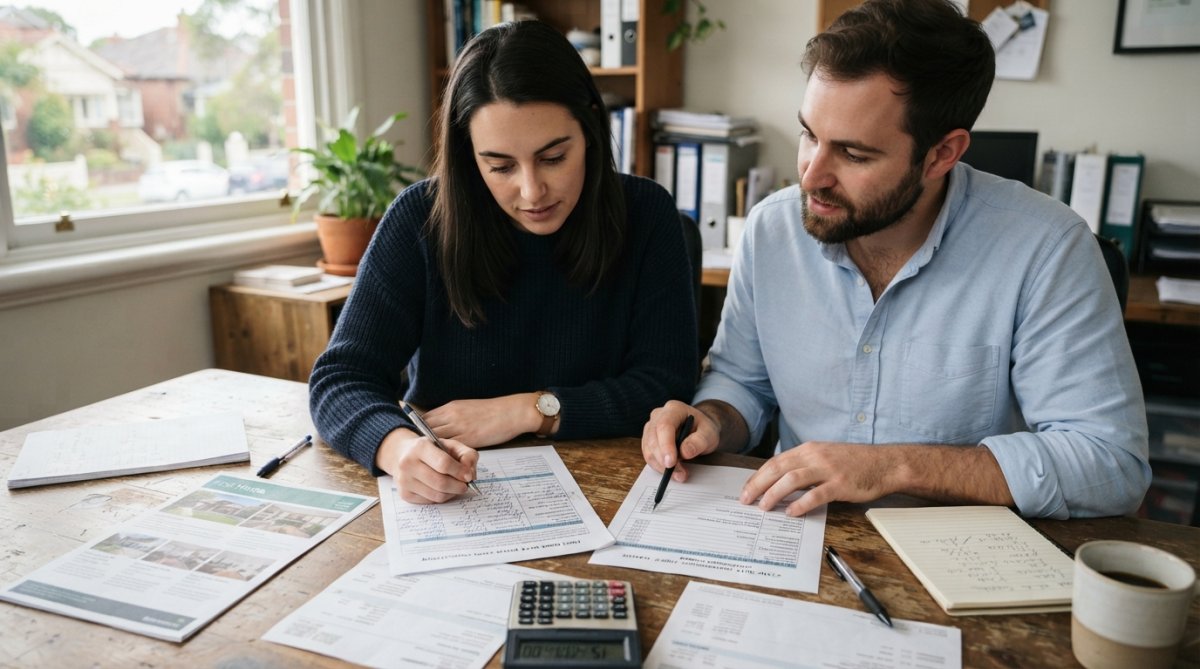
The calculation process varies by state, but the basic method is straightforward. You multiply the property's purchase price by the applicable duty rate for your state and price bracket.
Here's the step-by-step process:
Step 1: Determine the taxable value Start with the property's purchase price. This is usually what you agreed to pay. In most cases, this is the taxable value used for stamp duty calculation.
Step 2: Check your state's duty rates Each state publishes duty rate tables. These tables show different rates for different price ranges. A property worth $400,000 falls into one bracket. A property worth $800,000 falls into another. Find which bracket your property sits in.
Step 3: Apply the correct rate Once you've identified your bracket, apply that state's percentage rate. Some states use a flat percentage. Others use a sliding scale where different portions of the price are taxed at different rates.
Step 4: Calculate the total amount Multiply the purchase price (or the applicable portion) by the rate. This gives you the stamp duty amount payable.
Step 5: Check for exemptions or concessions Before finalising your calculation, verify whether you qualify for first home buyer exemptions. If you do, your duty may be reduced to zero or partially waived. This step can save you tens of thousands of dollars.
Stamp Duty Exemptions for First Home Buyers
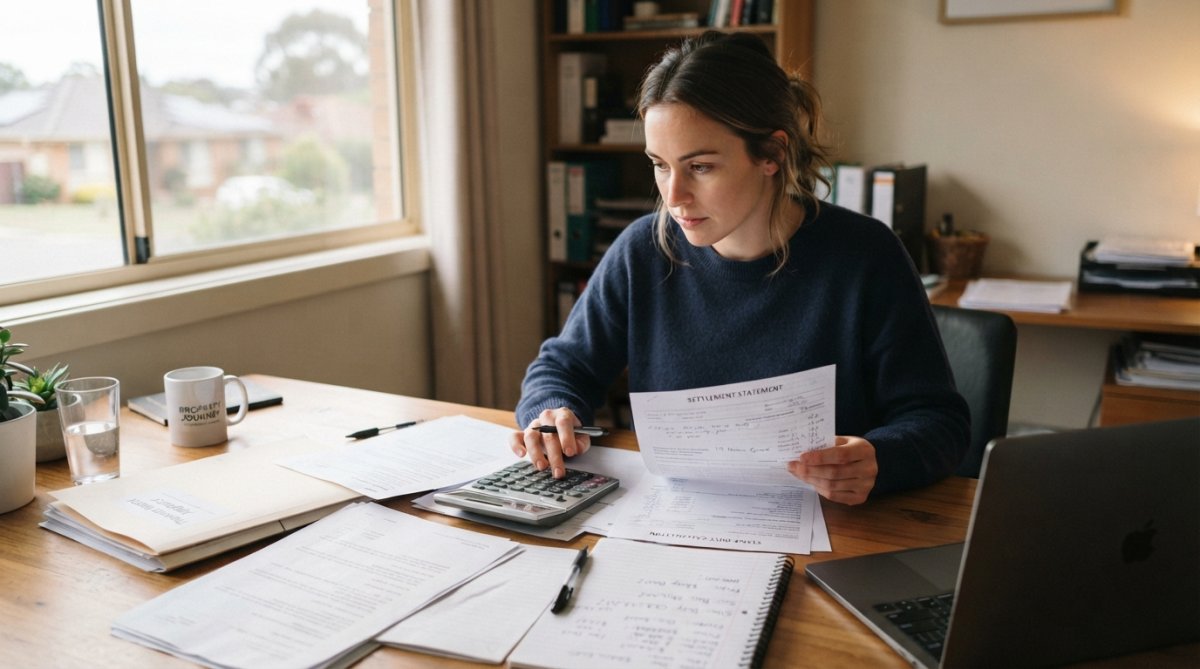
First home buyers in most states qualify for significant relief. The eligibility criteria are strict, but the savings are real.
Who qualifies:
- You must be purchasing your first residential property
- You cannot have owned residential property in Australia previously
- You must intend to occupy the property as your main residence
- In some states, you must be an Australian citizen or permanent resident
What exemptions cover: Full exemptions mean you pay zero stamp duty. Partial exemptions reduce the amount you owe. Some states offer full relief up to a certain price point, then partial relief above that threshold.
How exemptions work across states: Different states have different rules. New South Wales offers generous concessions. Victoria provides relief up to specific price limits. Queensland has its own thresholds. You must check your specific state's requirements because they're not uniform across Australia.
Understanding which exemptions apply to your purchase prevents costly mistakes.
Common exemption scenarios:
- Full exemption if the property price is below the state threshold
- Partial exemption if the price exceeds the threshold slightly
- No exemption if the price is significantly above the limit
- Additional relief if you're purchasing off-the-plan
First Home Buyers Assistance Scheme NSW
New South Wales offers one of Australia's most generous first home buyer support programs. The First Home Buyers Assistance Scheme NSW provides both exemptions and grants to eligible purchasers.
Exemption component: You receive a full stamp duty exemption if the property purchase price is below a set threshold. Above that threshold, you receive a partial exemption. The exact amounts change, so check the current figures with the NSW Revenue Office before purchasing.
Grant component: In addition to duty relief, NSW offers a cash grant to eligible first home buyers. This grant is paid after settlement. The amount varies based on whether you're buying established property or purchasing off-the-plan.
Off-the-plan benefits: Buying off-the-plan (purchasing an apartment or house before it's built) qualifies you for additional assistance. The duty exemption threshold is higher for off-the-plan purchases. This encourages investment in new housing stock.
Application process: You don't automatically receive the exemption. You must apply through the NSW Revenue Office. The application requires proof of your first home buyer status and property purchase details.
Key dates to remember: Settlement is when duty must be paid. You need to have your exemption approved before settlement occurs. Starting the application process early prevents delays at the final stage.
Using a Stamp Duty Calculator NSW
A stamp duty calculator NSW tool helps you estimate your liability before commitment. These calculators are free and available through the NSW Revenue Office website.
What the calculator requires:
- The property's purchase price
- The property type (residential, off-the-plan, or investment)
- Your buyer status (first home buyer or not)
- The property's location (some postcodes have different rules)
What the calculator shows: The calculator displays the estimated stamp duty amount. It also shows whether you qualify for exemptions or concessions. Some calculators break down the calculation, showing how the duty is computed from the purchase price.
Accuracy considerations: Calculators provide estimates only. The actual amount depends on factors the calculator might not capture. Use the calculator as a planning tool, not a final figure. Always confirm with a conveyancer or tax professional before settlement.
When to use the calculator: Use it early in your property search to understand budget implications. Run calculations for different price points to see how duty changes across price brackets. Use it again when you've made an offer to get a more precise figure.
Beyond the calculator: A conveyancer reviews your specific situation and provides a final calculation. They account for all exemptions, concessions, and state-specific rules. Their figure is what you'll actually pay at settlement.
Factors That Affect Your Stamp Duty Calculation
Several factors influence the final amount you pay. Understanding these helps you anticipate costs and plan accordingly.
Property purchase price: This is the primary factor. Higher prices mean higher duty. The relationship isn't linear though. Most states use tiered rates where higher price brackets attract higher percentages.
Property type: Residential properties have different rates than investment properties. Off-the-plan purchases often receive preferential treatment. Land-only purchases may be calculated differently. The type of property you're buying directly affects your duty liability.
Your buyer status: First home buyers receive concessions. Investors and established property owners pay full duty. Your status at the time of purchase determines which rates apply. This is why establishing first home buyer status early matters.
State of purchase: Duty rates vary dramatically between states. A property worth $500,000 might attract $15,000 duty in one state and $25,000 in another. Your state of purchase is a major cost factor. This is why location decisions have financial implications beyond property price.
Property value assessment: The state revenue office assesses property value.
| Factor | Impact | Mitigation |
|---|---|---|
| Purchase price | Primary cost driver | Budget for duty based on price bracket |
| Property type | Affects rate applied | Consider off-the-plan for concessions |
| Buyer status | Determines exemptions | Establish first home buyer status early |
| State location | Different rates apply | Research state-specific rules before purchasing |
| Exemptions | Reduces or eliminates duty | Verify eligibility before settlement |
Common Mistakes to Avoid When Calculating Stamp Duty
First home buyers often make preventable errors that cost thousands. Knowing these mistakes helps you avoid them.
Frequently Asked Questions
What is the formula for calculating stamp duty for first home buyers?
Stamp duty is calculated as a percentage of the property's purchase price or market value, whichever is higher. The percentage increases in bands as the price rises. For example, in NSW, rates typically start at 1.25% for properties under certain thresholds and increase progressively. Use the state revenue office's duty calculator or consult your conveyancer for the exact formula, as rates vary by state and change annually.
How do I qualify for the First Home Buyers Assistance Scheme NSW?
To qualify for the First Home Buyers Assistance Scheme NSW, you must be purchasing your first residential property, meet the purchase price threshold set for that financial year, be an Australian citizen or permanent resident, and intend to occupy the property as your principal place of residence. Eligibility criteria include not having owned residential property in the past two years. Check the NSW State Revenue Office website for current thresholds and exemption eligibility, as these change periodically.
Can I avoid paying stamp duty entirely as a first home buyer?
Yes, in some cases. Depending on the property price and state, first home buyers may qualify for a full exemption or concessional rates on stamp duty. NSW offers exemptions for eligible first home buyers purchasing properties under certain price thresholds. However, eligibility depends on factors like whether the property is new or existing, the purchase price, and your personal circumstances. Speak with your conveyancer or buyer's agent to determine if you qualify for an exemption or concession.
How does the property type affect my stamp duty calculation?
Property type significantly impacts stamp duty. Residential properties attract different duty rates than commercial or investment properties. Off-the-plan purchases may also qualify for different concessions. New properties sometimes attract lower or concessional rates for first home buyers, whilst established homes may have different thresholds. The taxable value used in the calculation also varies depending on whether you're buying an existing property or purchasing off-the-plan, so verify the property type's specific rules with your state revenue office.